
SACHIYO ITO’S MEMOIR
“If any part of this memoir, though written by a dancer, can serve as inspiration in life, not necessarily in dance, it would bring me a great joy.”
—— Sachiyo Ito
Our renowned dancer, dance educator, and choreographer Sachiyo Ito has been serializing her memoir on our website and JapanCulture•NYC with monthly installments, each chapter revealing a different aspect of her early life in Tokyo and career in New York City.
Ito offers of a profound exploration of the experience of dedicating herself to traditional Japanese dance at an early age, arriving in New York City during the tumultuous ‘70s, and making a successful career in the arts. Each chapter offers a glimpse into the complexities that shaped her journey. It is a literary examination of not only Ito Sensei’s life, but of how New York City’s culture evolved over the decades and what sacrifices one must make to achieve a thriving career in the arts.
The memoir is an invitation to delve into the layers of a creative life and career that has spanned more than 50 years. As a work in progress, it is also an invitation for you to offer your feedback. Your insights will contribute to the evolution of this extraordinary work.
Please enjoy this wonderful journey with Sachiyo Ito.
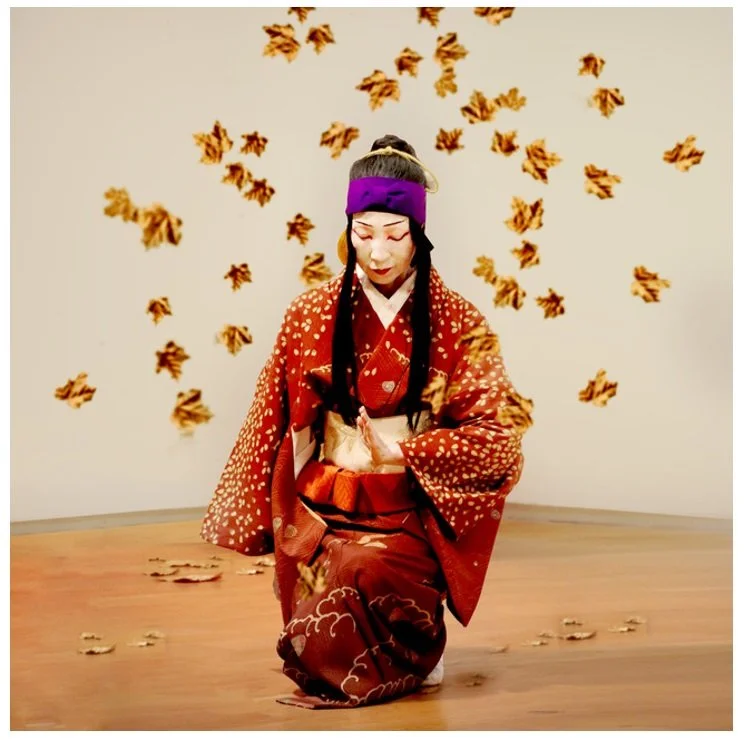
Table of Content:
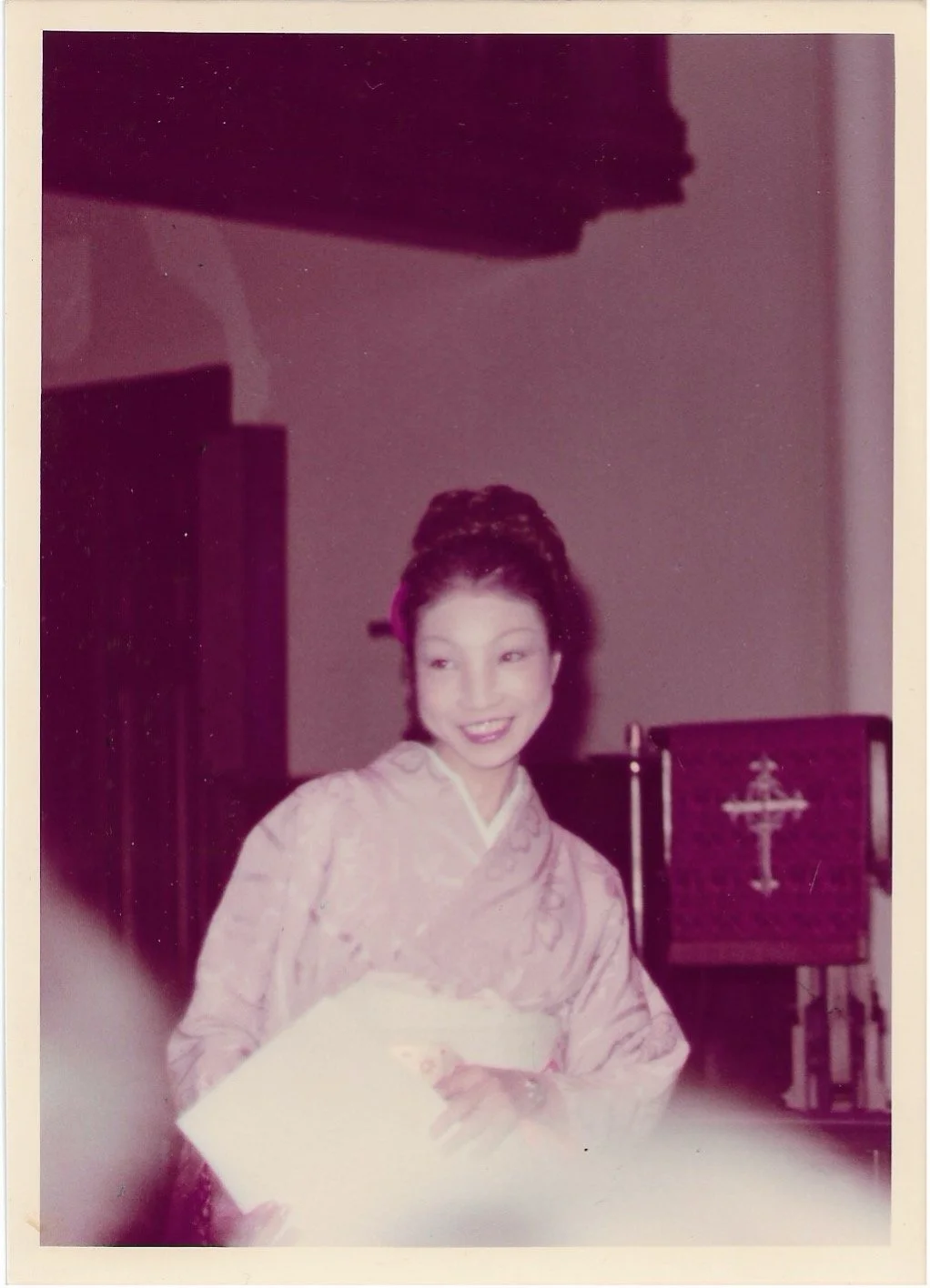
Chapter 1: Poignant Memory
The memoir promises to give us an insight into the source of Sachiyo Sensei’s artistic drive and how she has overcome obstacles to introduce Japanese dance to the international stage since the early 1970s. Enjoy her journey of over 50 years spreading the arts and culture of Japan, and learn about this pioneering artist’s inspirational story.
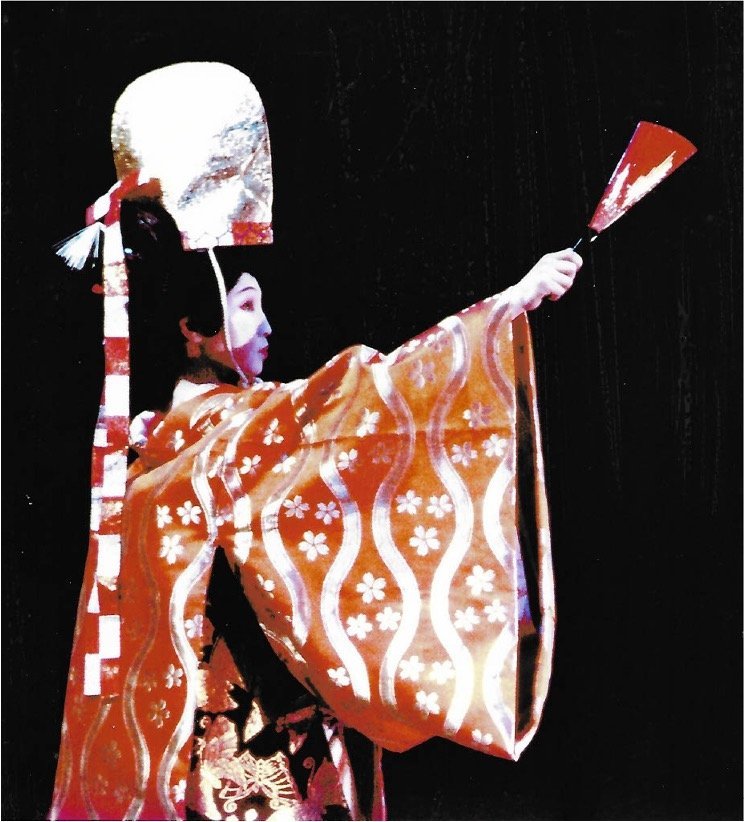
Chapter 2: Dreaming the Possible Dream
In this chapter, Ito recalls the chance meetings that led to both influential support for her career and deep and lasting friendships; these supporters, both personal and professional, would help to make her dream of introducing Japanese dance to the world outside of Japan in the 1970s and 80s come true.
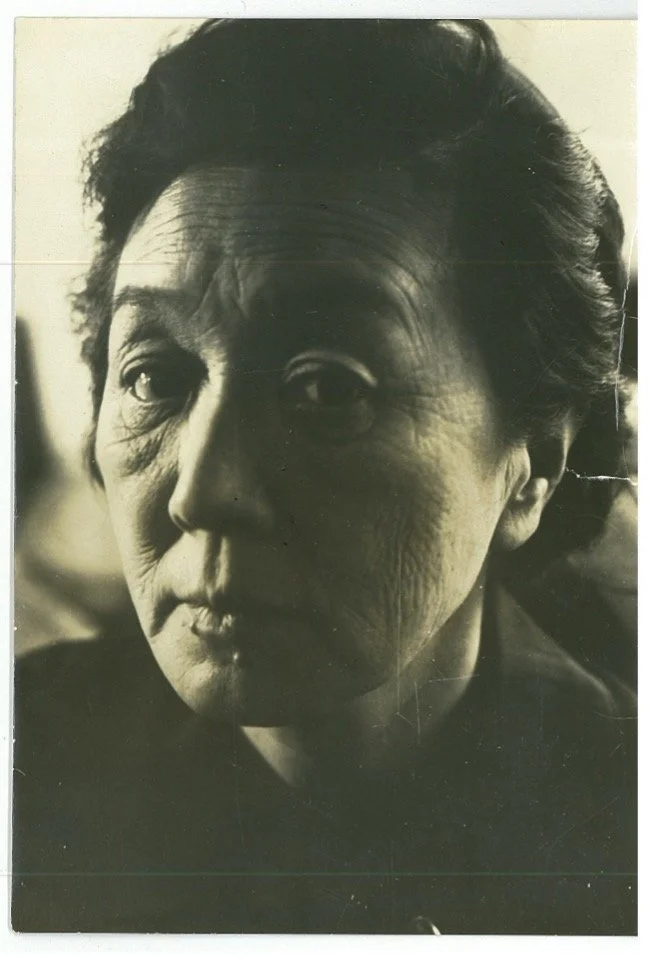
Chapter 3: In Honor of Women’s History Month: Machi Ito
In this chapter, Ito recounts formative experiences, crediting her mother, Machi Ito, for making her artistic career possible. We learn of Machi’s impressive accomplishments as an artist and trailblazing career woman in mid-20th century Japan. Sachiyo Sensei touchingly describes her mother’s quiet support through the meaningful gift of a dance fan case.
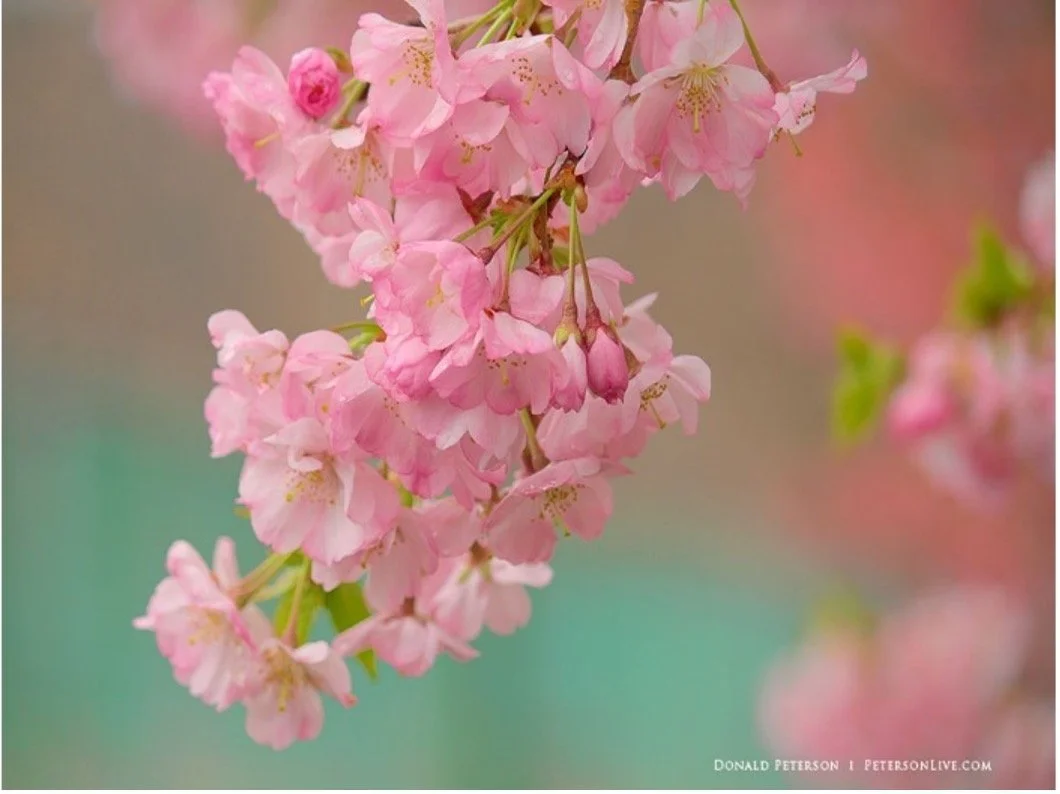
Chapter 4: Sakura (Cherry Blossom)
This chapter gives us a glimpse into Sachiyo Sensei’s thoughts on the ephemeral cherry blossom and what it represents to her as a Japanese dancer. She also shares stories of memorable performances from various cherry blossom festivals since 1981. As she reflects on unforgettable moments of seeing flowers and meeting people alike, she hopes her performances and teaching have left similarly indelible impressions on others. Like the exquisite but fleeting cherry blossoms she dances under, Sachiyo Sensei’s art reminds us to fully embrace the present.
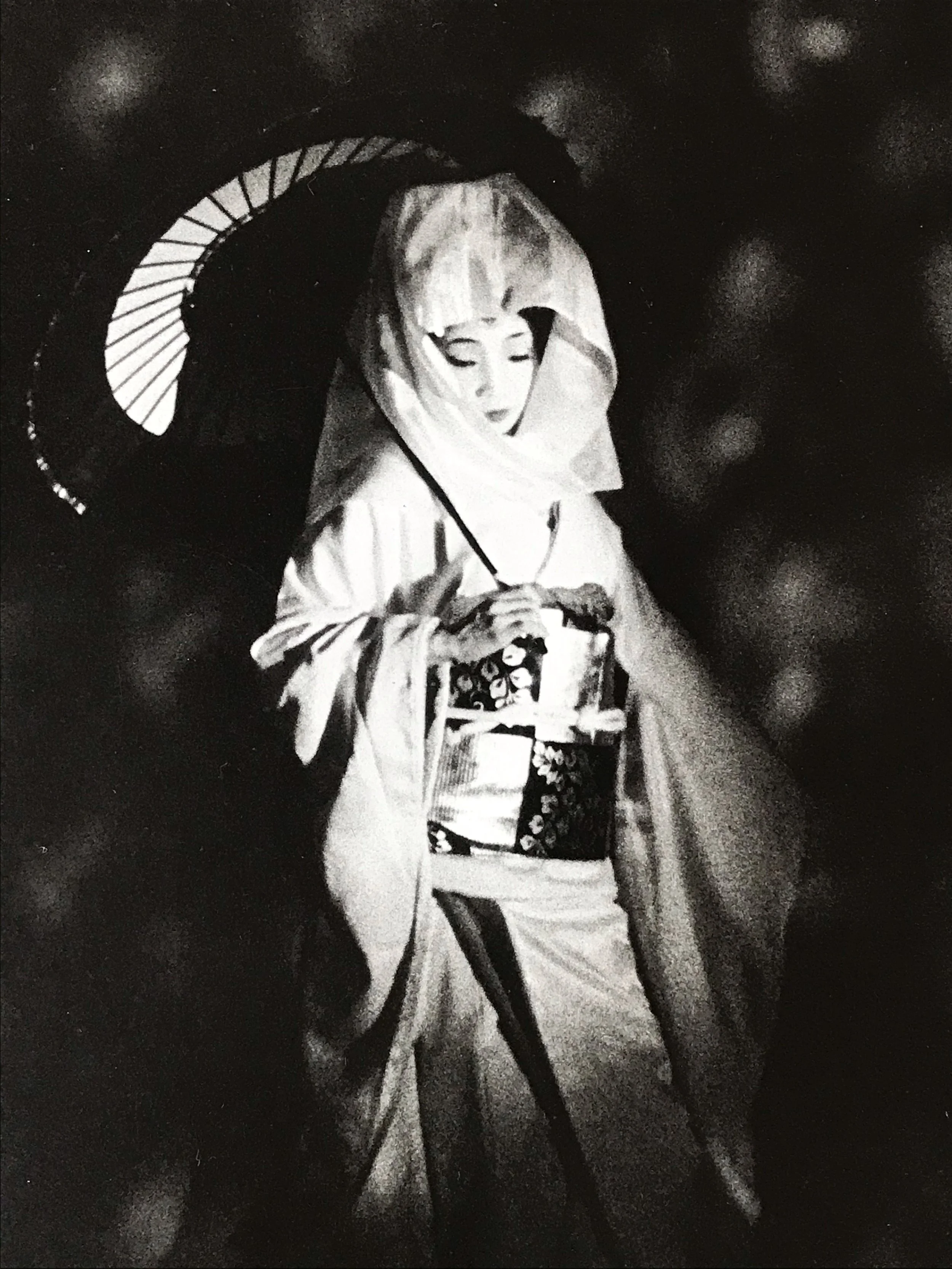
Chapter 5: After 50 Years: Japan Parade and My 1970s
While in Chapter 4, Ito reflected on embracing the present, in this chapter, she walks the road of her past, contemplating the vast changes she has experienced over the years, both within herself and in the world around her. The stories of her performances and experiences as an immigrant span from the 1970’s to today, culminating in her participation in New York’s first (and every subsequent) Japan Parade.
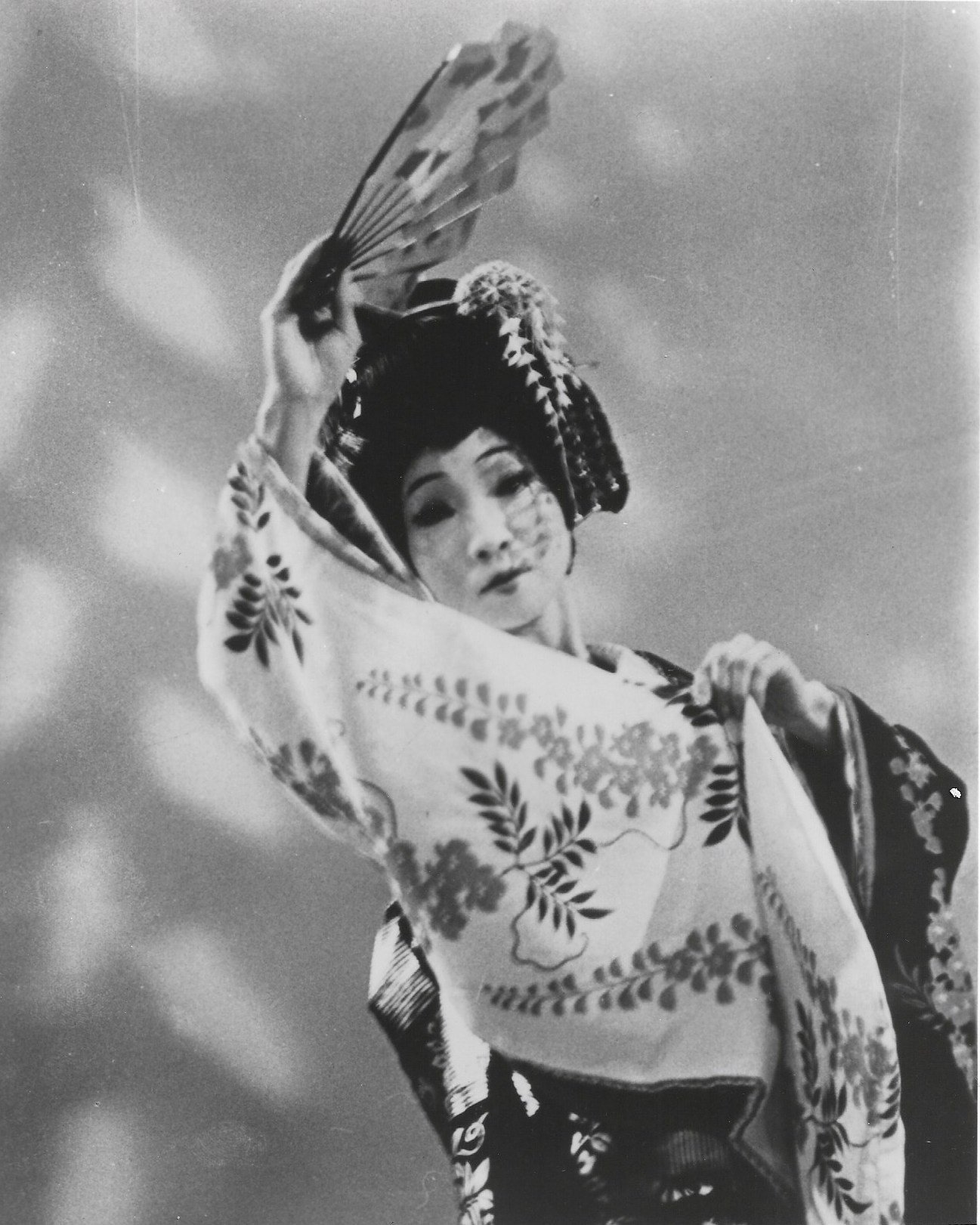
Chapter 6: Transformation
In Chapter 6, titled “Transformation,” Ito reflects on many faces of transformation and change. Set against a backdrop of a societal shift - the beginning of the AIDS crisis in the early 1980s - she delves into the theme of transformation, central to her life and work as a Japanese dancer. Her personal stories offer a window into the transformative power of art, pride, and inspiration, serving as a testament to the resilience that comes from facing whatever changes the future may bring.
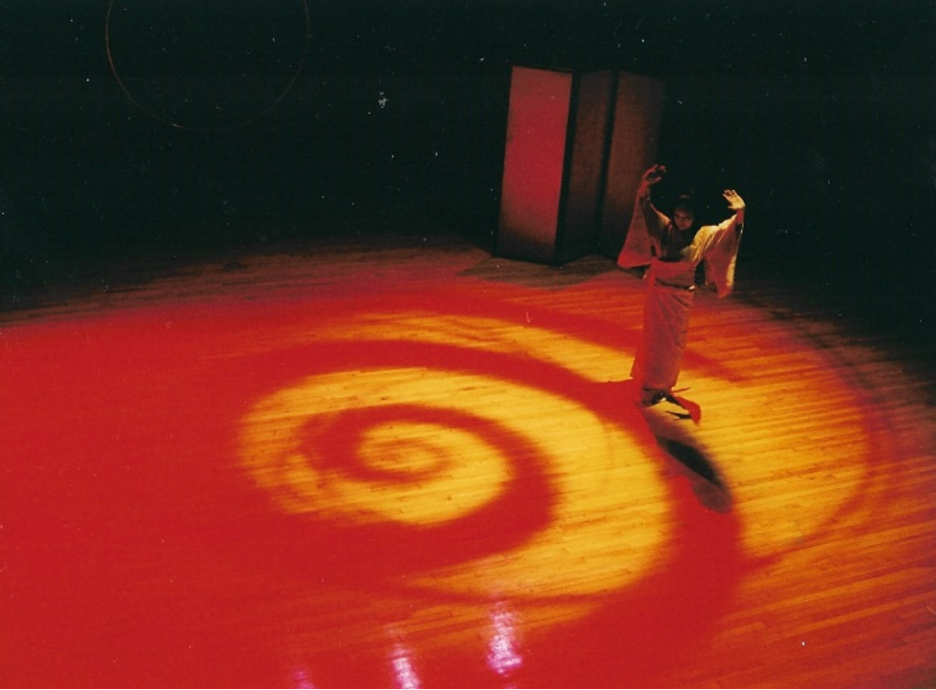
Chapter 7: Dojoji: Dojoji 2001 and 2002
In this poignant chapter, Ito delves into her reimagining of the classic Japanese legend of Dojoji. She recounts her journey of research, creation, and performance, challenging tradition to bring new life to this centuries-old tale. While exploring the symbolism of the temple bell, the transformative power of desire, and the universal themes of human attachment and destruction, she shares touching anecdotes about her collaborators and her creative process. Chapter 7 offers us a fascinating glimpse into Ito’s lifelong dedication to bridging Eastern and Western artistic sensibilities.
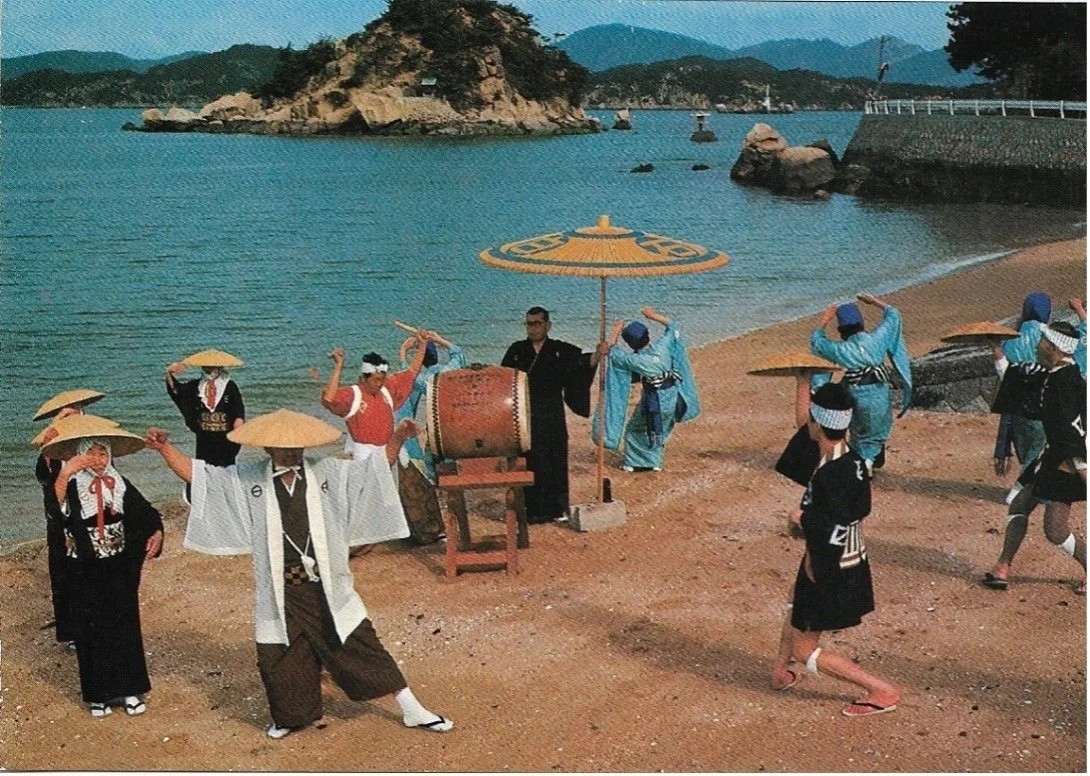
Chapter 8: Summer Festivals and My Roots
In Japan, August is the season of festivals celebrating the ancestors and acknowledging their place in the present day. In this chapter of Ito’s memoir, she delves into her search to find the roots of Japanese dance. Recounting the journey of her research into the ancestry of dance itself, she shares the stories of her travels and those of friends she meets along the way as she seeks the roots of her cultural heritage. Chapter 8 offers us a glimpse into the path that Ito walks as she explores the meaning of life as an artist.
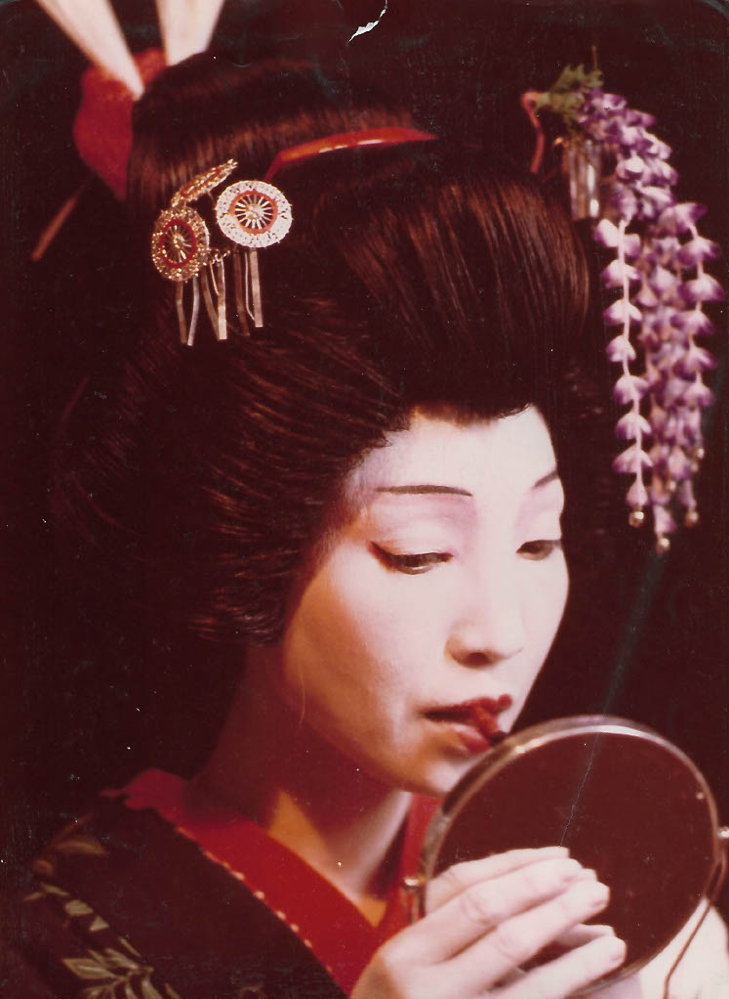
Chapter 9: Rocky’s Kabuki to Montevideo
For many of us, September is when we embrace a time of transition – a time of new opportunities, new studies, and new friendships. Titled “Rockies Kabuki to Montevideo”, Ito shares her treasured experiences and encounters that have touched her heart and strengthened her mission in Chapter 9. This chapter recounts Ito’s tours around the USA, and other parts of the globe as an emissary of Japanese arts and culture. Enjoy her journey of over 50 years spreading the arts and culture of Japan, and learn about this pioneering artist’s inspirational story.
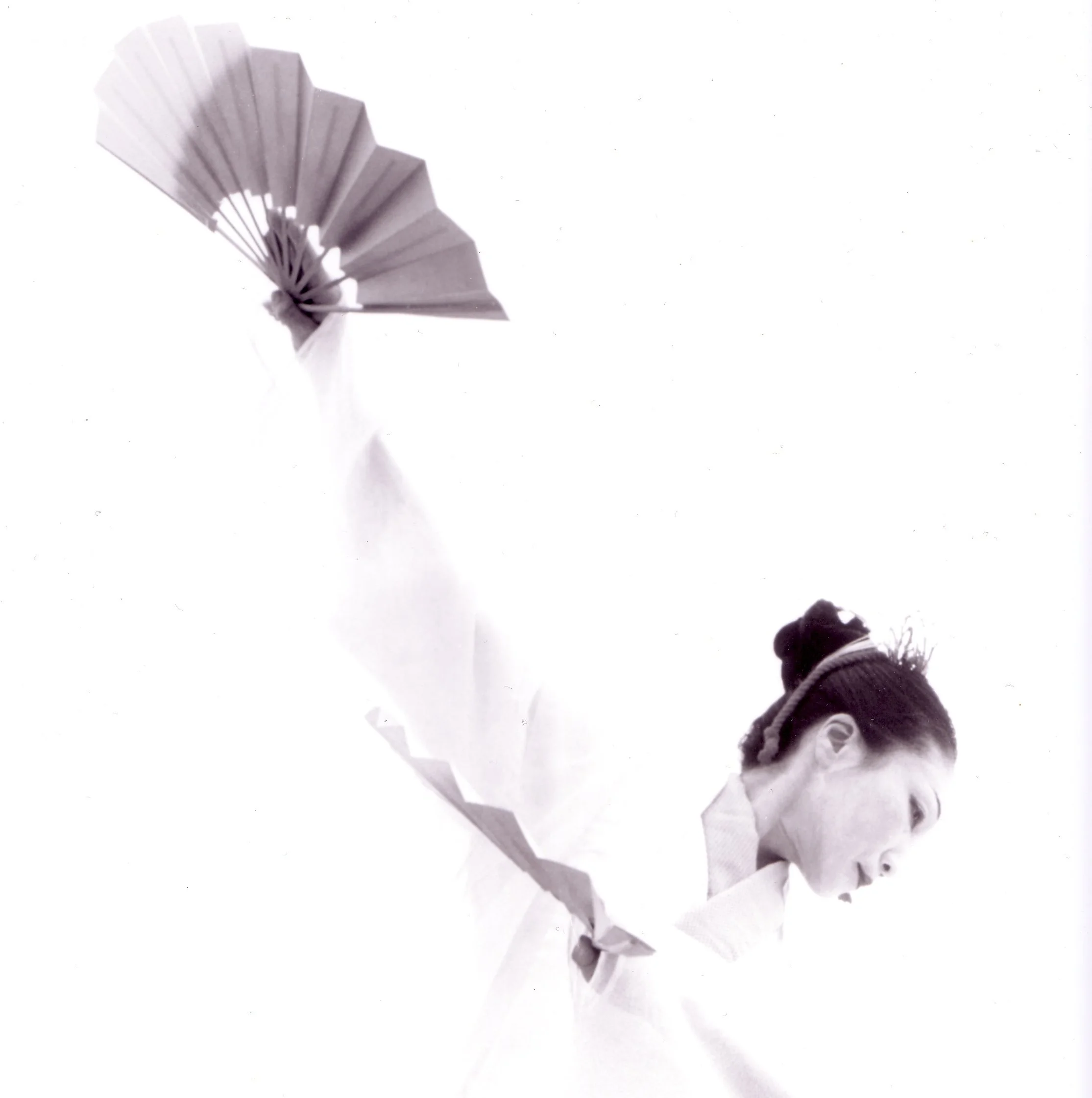
Chapter 10: The Cranes
This chapter offers a poignant meditation on the power of dance to evoke the freedom, beauty, and spiritual transcendence associated with our feathered friends. This new installment takes flight with more ethereal and beautiful metamorphoses. Ito reflects on the symbolism of birds in Japanese culture, particularly the grace and purity embodied by cranes and herons. Ito’s insights promise to elevate your perspective on the intersection of nature, culture, and art.
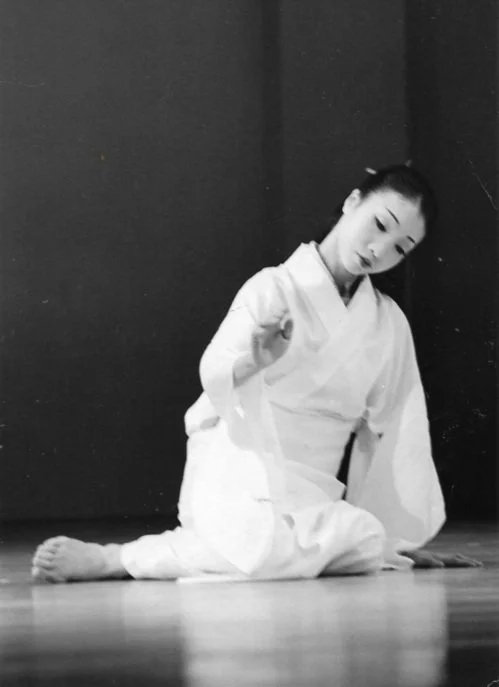
Chapter 11: Poetry in Motion for the Time of Contemplation
This chapter explores her profound connection to poetry and movement through her encounters with Zen master Thich Nhat Hanh and various accomplished poets. In this touching chapter, Ito reveals how meeting Thich Nhat Hanh in 1990 inspired her to begin choreographing dances to poetry, leading to her memorable piece "Dedicated to World Peace." The chapter culminates with her heartwarming experiences teaching poetry and dance workshops at senior centers, where she continues to discover how these art forms can bridge cultural divides and tell life stories.
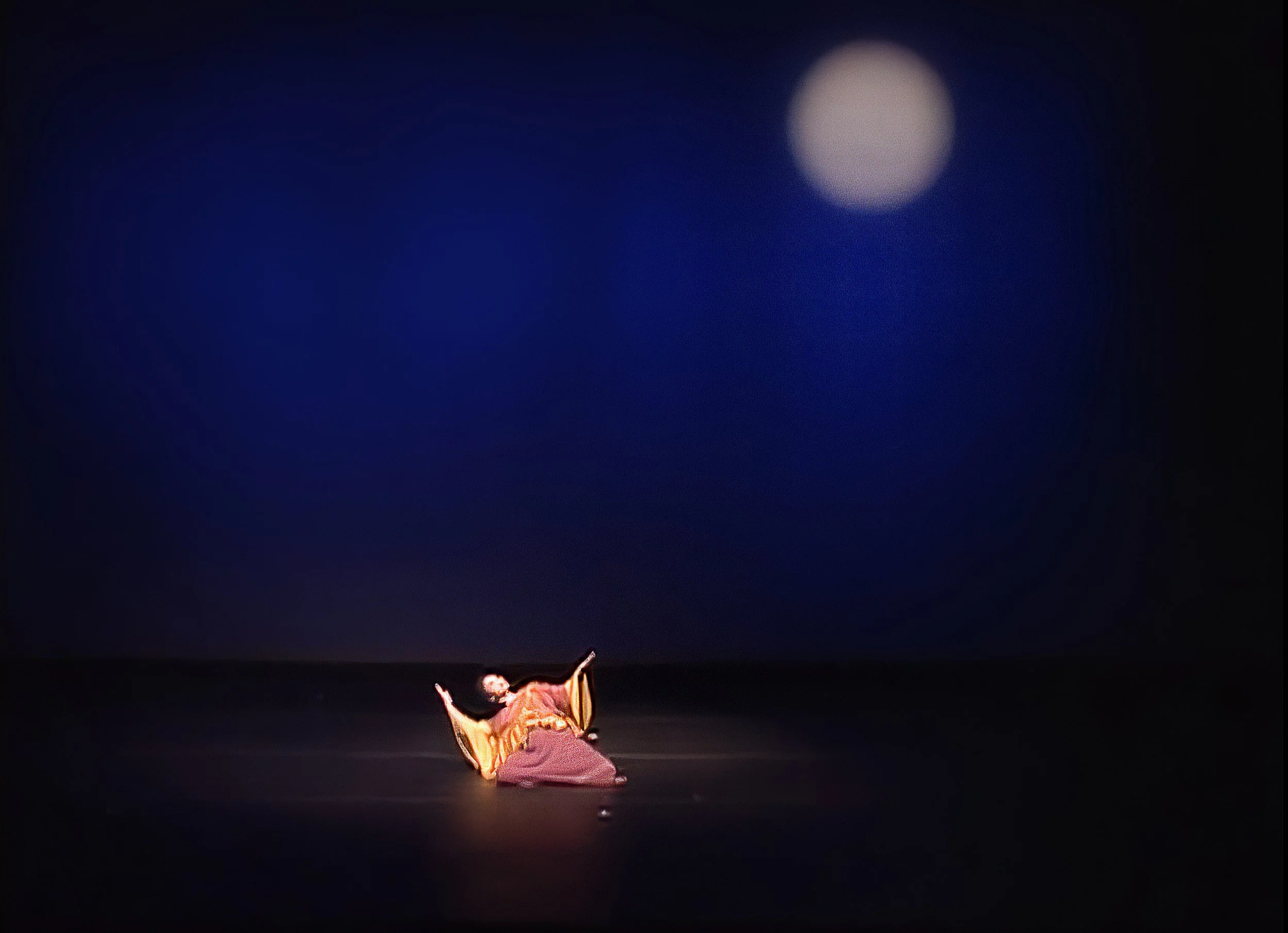
Chapter 12: Reflections
In this contemplative final chapter of 2024, Ito explores different types of reflection - from mirrors in dance to the deeper philosophical questions of self-awareness in performance. She shares her fascinating journey from her early training without mirrors to her later creation of "Tsuki no Akari Wa Shimiwatari" (The Moonlight Penetrates Through), where reflection became central to the choreography. Through her meditation on Zeami's concept of "Riken no Ken" (Viewing Oneself as Distant View), she invites us to consider our place in the universe and how we might view ourselves from this cosmic perspective.
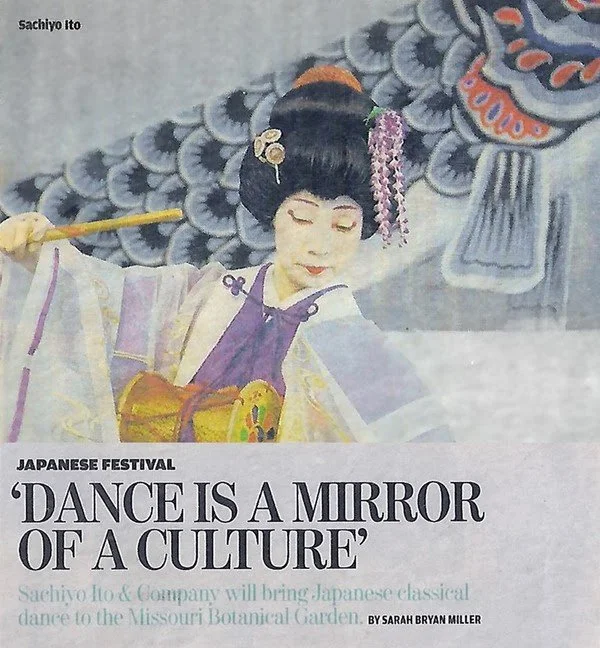
Chapter 13: New Year Greeting
In this illuminating chapter, Sachiyo Sensei reflects on her 55-year journey of using Japanese dance as a bridge between cultures, particularly through her "Japanese Culture through Dance" program. She shares heartwarming stories about teaching diverse students - from young Broadway aspirants to seniors rediscovering their cultural memories. The chapter offers special insight into the tradition of Odori-zome (New Year's Dance), where her international students celebrate their progress. She also explores the deeper meaning of the bow in Japanese dance, revealing how this seemingly simple gesture creates a sacred space for learning and mutual respect.
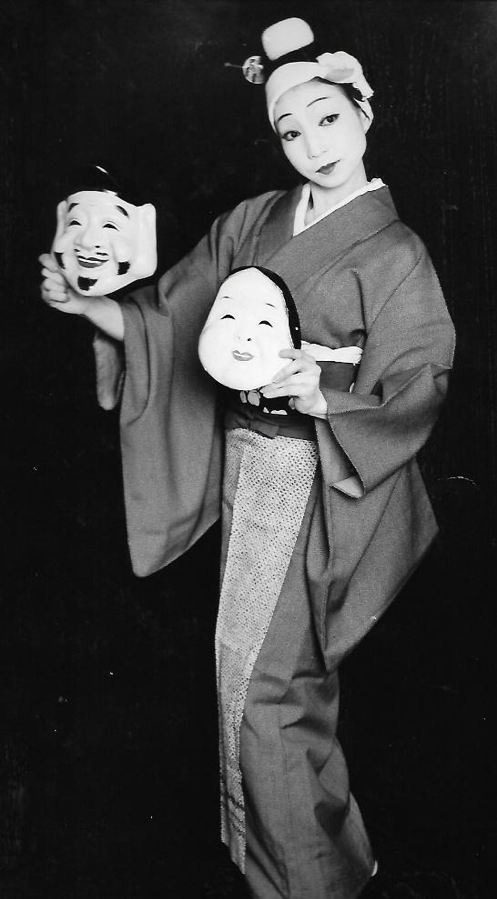
Chapter 14: Japanese Culture Through Dance II
Titled "Japanese Culture Through Dance II," Sachiyo Sensei shares touching stories from her decades of teaching Japanese dance across New York City and beyond, from elementary schools to colleges across the country. She recounts memorable experiences from her free children's workshops at public schools and libraries, performances at geriatric centers, and her visiting professorships at colleges, where she choreographed new works for talented young dancers. Throughout the chapter, Sachiyo Sensei reveals how teaching transformed from what she once saw as necessary to what she now recognizes as a profound gift that deepened her own artistry. With characteristic humility, she concludes that while she began her career believing she was primarily giving to her students, she ultimately received far more than she gave through their curiosity and fresh perspectives. This chapter beautifully illuminates how cultural bridges are built one dance step at a time.
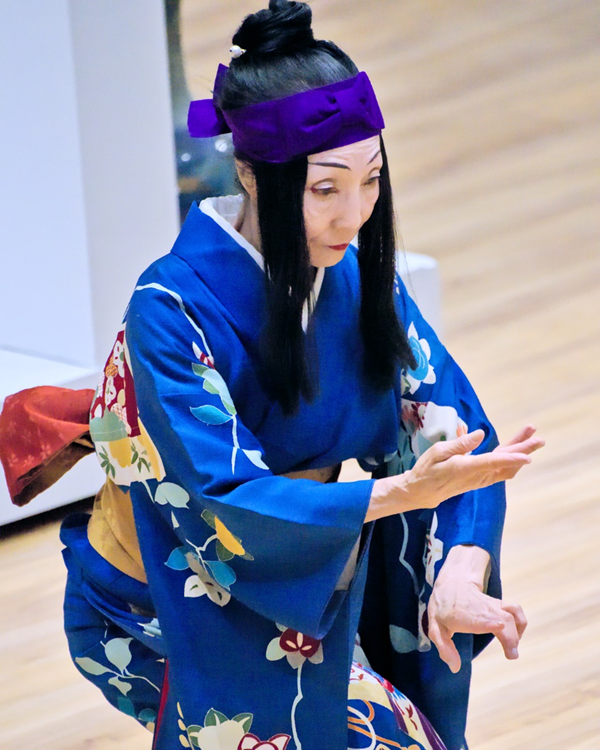
Chapter 15: Vertical and Horizontal Threads
In Chapter 15, "Vertical and Horizontal Threads," Sachiyo Sensei takes us behind the scenes of her remarkable Salon Series, a grassroots cultural program that spanned 25 years and 77 presentations. Born from a critical review that sparked her determination to educate both Japanese and international audiences about traditional arts, this intimate series became a laboratory for cross-cultural exploration. Sachiyo Sensei shares fascinating stories of collaborations with artists from India, Spain, Indonesia, and beyond, revealing how she used dance as a universal language to bridge cultural divides.
Through these intimate gatherings, from exploring the art of walking in Japanese dance, the chapter includes touching reflections on her comparative studies between Asian dance forms, her experiments with contemporary collaborations, Sachiyo Sensei discovered that teaching and sharing culture was not just about giving to others but about receiving profound gifts of understanding in return.
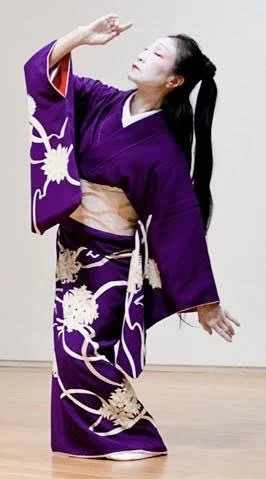
Chapter 16:
Salon Series: Vertical and Horizontal Threads II
In Chapter 16, the continuation of her Salon Series exploration, Sachiyo Sensei takes us deeper into the cultural heart of Japan through her collaborative programs. This chapter reveals how she expanded beyond dance to explore Japanese literature, from classical works like The Heike Monogatari to contemporary poetry, creating innovative collaborations that brought ancient texts to life through movement. Sachiyo Sensei shares her profound investigation of "Ma"—the uniquely Japanese concept of space and time—demonstrating how she transformed intimate gallery spaces into sacred sanctuaries through dance, Buddhist chants, and audience participation.
The chapter also chronicles her evolution from cultural education to universal human connection, culminating in deeply moving programs that addressed themes of healing, unity, and prayer during times of crisis. Through 25 years and 77 programs, Sachiyo Sensei discovered that the Salon Series became not just a platform for sharing Japanese culture, but a laboratory for exploring our shared humanity. Her closing reflection on this remarkable series—that the more she learned about her art, the more she realized how little she truly knew—captures the humble wisdom of a true master teacher.
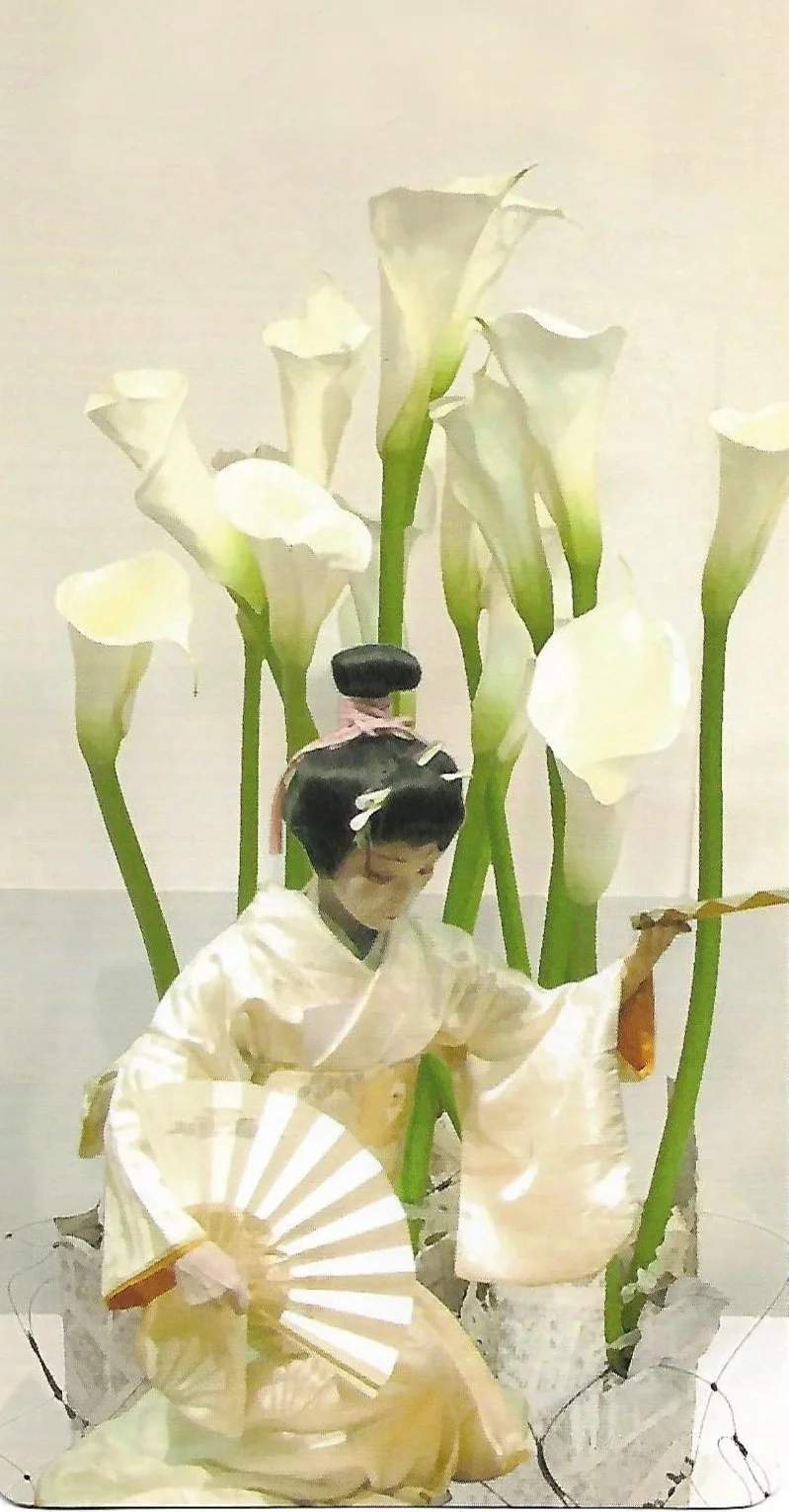
It is with deep appreciation that we share the final installment of Sachiyo Sensei's inspiring memoir - her heartfelt Postscript that brings her extraordinary 53-year journey in America to a close.
In this deeply reflective conclusion, Sachiyo Sensei looks back on her path "swift as an arrow," acknowledging both her artistic limitations and her unwavering devotion to sharing authentic Japanese dance with the world.
She traces her evolution from traditional performances to universal themes, from her Dojoji series to her community work and the transformative Salon Series. With characteristic humility, she embraces her identity as "Kawara Kojiki" (riverbank beggar) - a term once used dismissively for wandering performers, but which she wears with honor alongside legendary artists like Okuni, the founder of Kabuki.
Most poignantly, Sachiyo Sensei reflects on how this memoir became not just a record of performances and travels, but "a quest of self" - a profound meditation on life, identity, and what it means to be human.
Her closing message, echoing her mother's loving words to "not catch cold," extends that same care to all of us, reminding us that we are surrounded by love in countless forms. This beautiful conclusion celebrates both the end of an incredible artistic journey and the timeless wisdom gained along the way.
Thank you for joining us on this remarkable literary journey with Sachiyo Sensei.