

Odori-zome 2026
The annual “Odori-zome” (First Dance of the Year) presented by the Sachiyo Ito and Company Dance School was held on Sunday, March 1 at 3:00 PM at the Gibney Dance Center in Manhattan. The event had originally been scheduled for January 25 but was postponed due to snow.
In addition to performances of traditional Japanese dance by students from diverse cultural backgrounds and multiple generations, guest artists also appeared, including the New York Taiko Aiko Kai (NYTAK) and singer Yoko Yamashita. A book-signing event was also held to celebrate the publication of Sachiyo Ito’s book Memoirs of Memories.
The program featured 15 dances, including an original work based on Chinese poetry, as well as kabuki-style dances choreographed and directed by Ito, and dance works celebrating the arrival of spring.
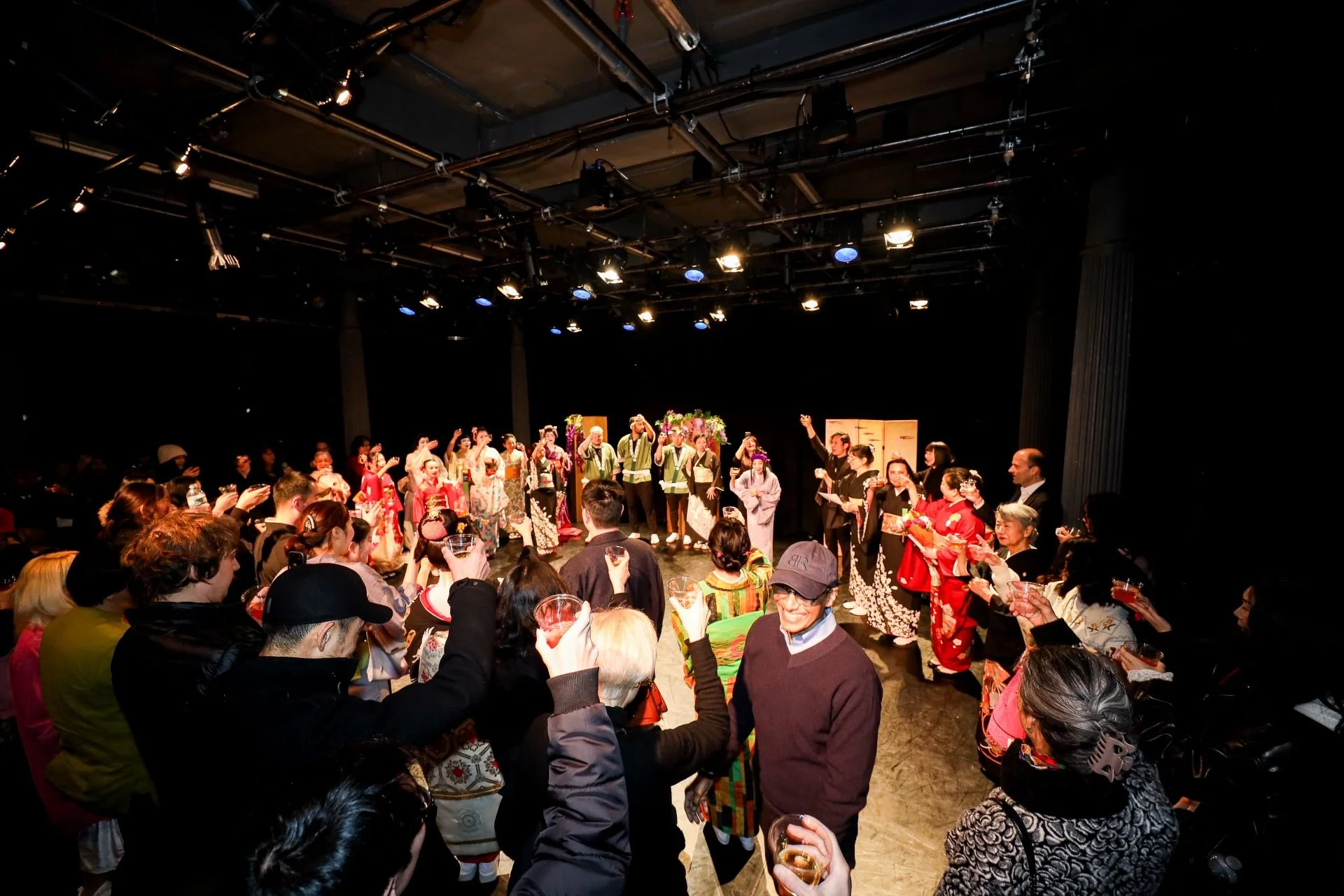
In the finale, the theme “Love” was expressed through the song “Heal the World,” performed with guitar by TOMOYA OGAWA and vocal by Asu-mi. The audience joined in the chorus, creating a warm and moving moment. All 116 seats in the venue were filled, and the event concluded with great success.
Shukan New York Seikatsu
When a Fan Opens, New York City Listens
Chunchun Tao - Performer of 2026 Odori-zome ReviewODORI-ZOME (New Year Dance) took place on Sunday, March 1, 2026, at Gibney (280 Broadway) in Lower Manhattan. Presented by the Sachiyo Ito & Company Dance School, the annual New Year recital brought Sachiyo Ito and her students together on one stage. An afternoon where every dancer stepped forward to show what twelve months of practice had made possible, each dance a small but hard-won harvest.
Japanese classical dance doesn’t announce itself through scale. It persuades through precision: the angle of a wrist, the grammar of a sleeve, the measured hush between one step and the next. What made this recital feel substantial was that the students weren’t performing “student pieces,” but stepping into classical repertoire: seasonal works and iconic dances with real technical and emotional demands, carried by the distinctive sound world of traditional Kabuki music, where voice and instrument don’t simply accompany movement but shape its tempo, its mood, and even its pauses. The audience could sense the year of training behind the calm: practice distilled into small decisions made correctly, again and again, until they read as grace.